
The evolution of gambling tracing its historical roots and cultural impact
Historical Roots of Gambling
The origins of gambling can be traced back to ancient civilizations, where various forms of games of chance were part of cultural rituals and social activities. Archaeological findings suggest that as early as 3000 BC, the Chinese engaged in gambling through games involving dice and betting on outcomes. Similarly, ancient Egyptians, Greeks, and Romans incorporated gambling into their societies, with games that ranged from betting on chariot races to playing board games that involved luck. As gambling evolved over time, many began to explore alternatives like monopoly live big baller, reflecting changing tastes and preferences.
As societies evolved, so did the complexity of gambling. The introduction of more structured gambling games, such as those involving cards, became prevalent in the Middle Ages. This period marked the beginning of organized betting, which laid the groundwork for modern gambling practices. Through trade and cultural exchanges, these gambling practices spread across continents, adapting to local customs and beliefs.
The Cultural Impact of Gambling
Gambling has always played a significant role in the cultural fabric of societies around the world. In many cultures, it serves as a form of entertainment, socialization, and even a rite of passage. For instance, in some indigenous cultures, gambling is integrated into festivals and community gatherings, reinforcing social bonds and traditions.
However, the cultural impact of gambling is not solely positive. The proliferation of gambling activities can lead to social issues, including addiction and financial hardship. This dual nature of gambling—both a source of joy and potential harm—has led to ongoing discussions about the role it plays in modern society and its moral implications.
Gambling and Technology
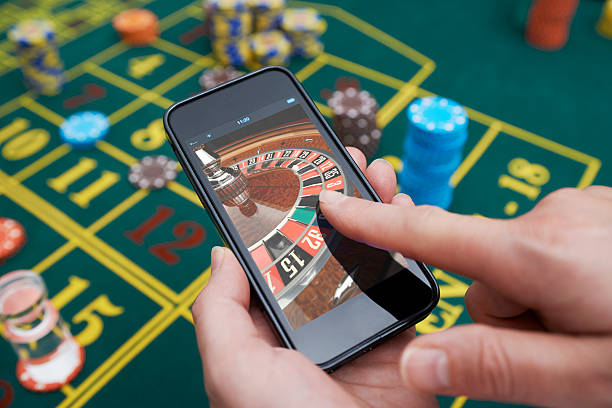
The advent of technology has revolutionized the gambling industry, particularly with the rise of the internet. Online gambling platforms have made it more accessible than ever, allowing players to gamble from the comfort of their homes. This shift has opened new avenues for gambling, including virtual casinos and mobile betting applications.
However, the integration of technology into gambling has also raised concerns about addiction and responsible gambling practices. With the ability to gamble at any time, players may find it challenging to set limits, potentially leading to harmful behaviors. As a result, the industry has begun to implement measures to promote awareness and provide resources for those affected by gambling addiction.
Regulation and Responsible Gambling
The growth of gambling has necessitated the establishment of regulatory frameworks to ensure fairness and protect consumers. Governments around the world have introduced laws aimed at regulating gambling operations, from casinos to online platforms. These regulations often include age restrictions, licensing requirements, and measures to promote responsible gambling.
Additionally, many jurisdictions have initiated programs to raise awareness about gambling addiction. Educational campaigns inform the public about the risks associated with gambling and provide resources for individuals seeking help. As the conversation around gambling evolves, the focus on responsible gaming is becoming increasingly prominent in both industry practices and societal attitudes.

Conclusion and Further Exploration
The evolution of gambling is a fascinating narrative that intertwines with human history, culture, and technology. From its ancient roots to its modern manifestations, gambling has shaped social interactions and economies worldwide. While it remains a popular form of entertainment, the challenges associated with gambling addiction and its cultural implications continue to be relevant today.
For those interested in delving deeper into the world of gambling, understanding its history and the ongoing discussions about its impact can provide valuable insights. Exploring responsible gambling initiatives and learning about the various forms of gambling available today can foster a more informed and balanced perspective on this enduring human activity.